
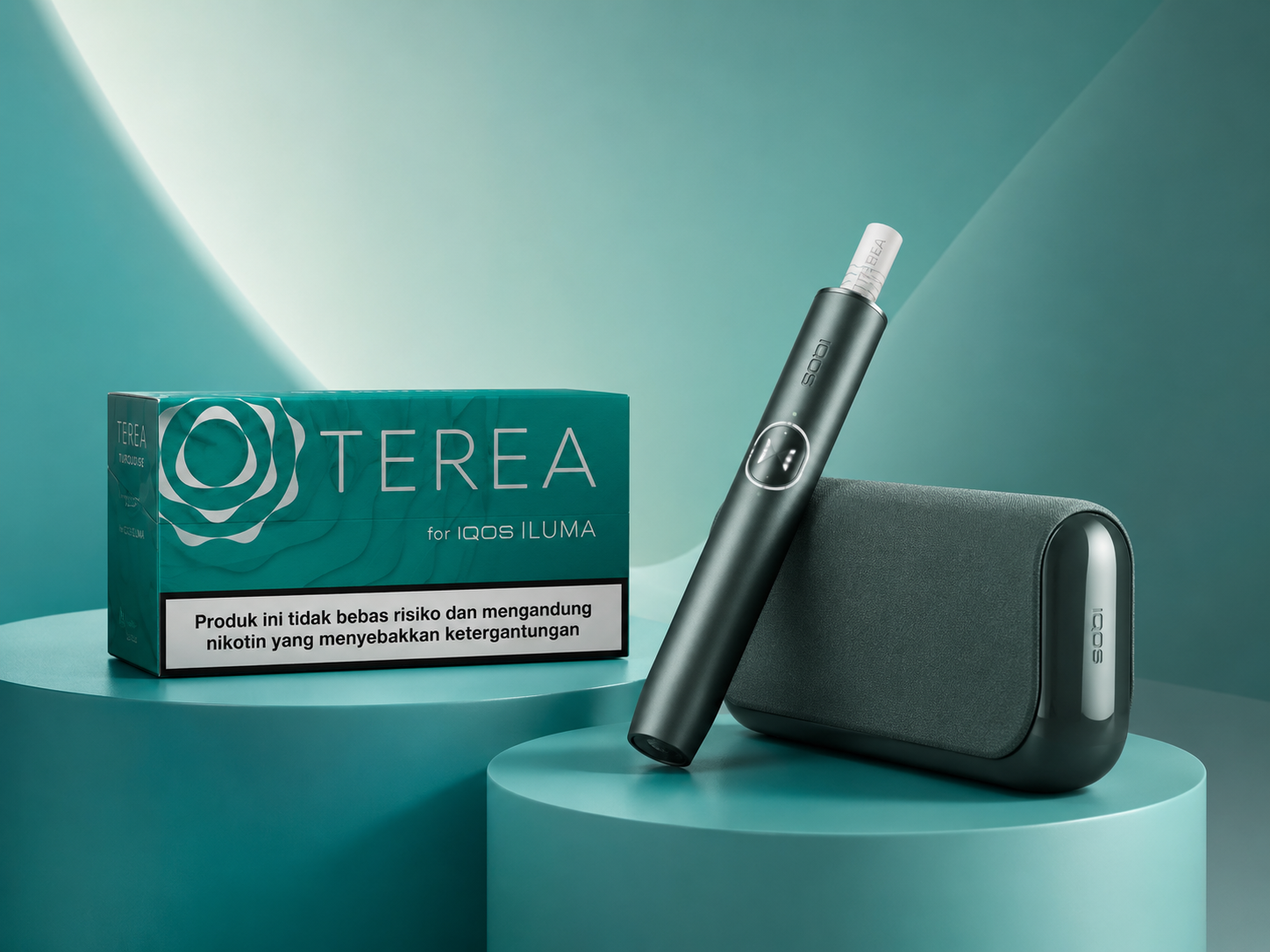
The growing interest in оригинальные стики TEREA reflects a broader transformation in the way people interact with tobacco products. Rather than relying on conventional cigarettes, some adult tobacco users are exploring heated tobacco systems built around dedicated electronic devices and specially engineered sticks. TEREA occupies a distinct place in this category because its design is closely connected to the induction-heating technology used in IQOS ILUMA. Understanding the product therefore means looking at more than its tobacco blend or packaging: its construction, compatibility, sensory characteristics and role in changing social habits are all part of the picture.
The emergence of these products also raises questions that extend beyond technology. As consumer preferences evolve, people increasingly compare traditional smoking with newer formats, while restaurants, offices and other shared environments reconsider how tobacco-related rules should apply. TEREA provides a useful example of how product engineering can influence everyday routines without removing the need for responsible use, clear public-space policies and an informed understanding of health risks.
What Makes TEREA Different From Traditional Cigarettes?
Conventional cigarettes burn tobacco, producing smoke and ash through combustion. TEREA sticks are designed for a different process: they are used with compatible IQOS ILUMA devices, which heat the tobacco through an induction-based system rather than using an exposed heating blade.
The key component is a metal heating element incorporated into the stick itself. When a compatible device operates, its induction system heats that component, which in turn heats the tobacco. This integrated design distinguishes TEREA from tobacco sticks intended for older blade-based devices and explains why the products cannot simply be substituted for one another.
The stick is therefore not an ordinary cigarette designed to fit into an electronic holder. It is a purpose-built consumable whose internal structure is part of the overall heating system. The device and stick have to work together, making compatibility one of the most important factors when identifying the correct product.
The design also changes routine maintenance. Because IQOS ILUMA does not use the exposed heating blade found in earlier systems, it does not require the same blade-cleaning routine associated with those devices. This can simplify care, although users should still follow the manufacturer’s instructions for handling, storage and disposal.
These engineering differences explain the central appeal of the format for some adult consumers: the product is designed around a dedicated heating mechanism and a specific user routine. They do not, however, establish that heated tobacco is harmless. TEREA contains tobacco, and heated tobacco products deliver nicotine, which is addictive. The World Health Organization notes that these products generate emissions containing nicotine and other chemicals, and that reduced levels of some substances do not establish a reduction in overall health risks.
Why Authenticity and Product Compatibility Matter
Because TEREA relies on a particular heating architecture, identifying the correct consumable is more important than simply choosing a familiar brand name. The sticks are designed for IQOS ILUMA devices equipped with the SMARTCORE INDUCTION SYSTEM. They are not intended for older IQOS devices that use a blade-based heating mechanism.
Using incompatible sticks can prevent normal operation or damage the device. Buyers should therefore check the exact device model and confirm that the product description clearly identifies the consumable as TEREA for IQOS ILUMA. Similar packaging, general references to heated tobacco or broad claims of universal compatibility should not replace model-specific information.
Authenticity is another consideration when purchasing tobacco products online. Packaging and branding can help identify a product, but visual resemblance alone cannot prove that the contents are genuine. Clear product descriptions, consistent packaging information, transparent seller details and appropriate purchase documentation provide additional context. If the origin of a product or the meaning of its identification markings is unclear, checking the manufacturer’s official guidance is more reliable than accepting an unsupported claim.
The distinction between authentic and counterfeit products is not merely cosmetic. A consumable designed to work with a specific heating system must match that system’s requirements. Unclear provenance can leave buyers uncertain about product consistency, correct handling and whether the item corresponds to the description provided by the seller.
For that reason, the most useful approach is to verify several details together: the product name, the intended device family, the packaging and the seller’s information. No single visual feature should be treated as conclusive proof of authenticity.
From Traditional Smoking to Technology-Oriented Habits
The development of TEREA reflects a wider change in consumer behaviour. Tobacco use was once associated primarily with a familiar object and a relatively standardized routine. Heated tobacco systems introduce another set of considerations, including electronic charging, device compatibility, consumable selection and the maintenance of a reusable device.
These practical differences can influence how users organize their daily routines. The device becomes part of a broader pattern of personal technology use, while the sticks are designed as components of a system rather than independent products. Product design, portability and the way equipment fits into everyday life can all influence consumer preferences.
This shift can also create a perceived distinction between traditional and technology-oriented tobacco users. Some adults remain attached to familiar cigarette formats, while others are interested in the design and operation of electronic heating systems. Yet these categories are not fixed identities. Individual preferences vary, and choosing a newer device does not necessarily indicate a broader commitment to technology or a particular lifestyle.
The important cultural change is that tobacco consumption now exists across several product formats with different operating requirements. As these formats become more visible, accurate product information becomes increasingly important. Understanding how TEREA works, which devices support it and what its design does not imply about health helps keep the discussion grounded in facts rather than assumptions.
Smell, Aerosol and the Changing Rules of Social Etiquette
One reason heated tobacco products attract attention is that their sensory characteristics differ from those of conventional cigarettes. Since TEREA is designed for a system that heats rather than conventionally burns tobacco, its use produces an aerosol instead of cigarette smoke. The smell may also differ in character and persistence.
For some adult users, these differences influence how they think about using tobacco around other people. Conventional cigarette smoke can linger on clothing and in indoor environments, while heated tobacco products may produce a less persistent or differently perceived odour. However, sensory differences are subjective, and a less noticeable smell should not be interpreted as proof that emissions are harmless.
This distinction matters in social settings. A person using a heated tobacco device may believe that the product is less disruptive than a cigarette, while someone nearby may still object to exposure to tobacco aerosol. Both perspectives can exist in the same environment, but personal preference does not determine whether a product is permitted.
Consider a restaurant terrace, a shared office entrance or a gathering with friends who do not use tobacco. The absence of conventional cigarette smoke does not automatically make a heated tobacco device acceptable in that setting. Venue rules, workplace policies and the comfort of other people remain relevant.
A considerate approach begins by checking the rules rather than assuming that a different product format creates an exception. If the policy is unclear, asking the responsible staff member is more appropriate than using the device first and waiting for someone to object. Social acceptability depends not only on the product’s physical characteristics but also on respect for shared expectations.
Smoke-Free Spaces and the Response From Businesses
The expansion of smoke-free policies has changed the way public and commercial spaces are managed. Restaurants, hotels, offices, transport facilities and other venues may restrict tobacco use in enclosed areas, near entrances or throughout their premises. The details vary according to the applicable rules and the policies established by individual organizations.
Heated tobacco products introduce a practical question for venue managers: should existing smoking restrictions also cover devices that heat tobacco without conventional combustion? The answer cannot be determined by appearance or smell alone. Businesses need policies that reflect the applicable requirements and clearly explain whether heated tobacco devices are permitted.
This clarity benefits both staff and visitors. Employees can apply the same rule consistently instead of having to decide whether each new product category should receive different treatment. Customers can understand the expectations before entering a shared environment, reducing the likelihood of uncomfortable disputes.
Urban planning and building management are part of the same conversation. Entrances, outdoor seating areas, pedestrian routes and shared courtyards must accommodate different needs while maintaining clear boundaries around tobacco use. A well-defined policy can make these spaces easier to manage, although its effectiveness also depends on communication and consistent enforcement.
The broader lesson is that technological innovation does not automatically change the rules governing public space. A new heating mechanism may alter the product’s operation and sensory profile, but it does not remove the need to consider other people, workplace requirements or public health objectives.
Understanding the Limits of the Technology
TEREA’s engineering can be described in precise terms: it contains a metal heating component designed to work with the induction system in IQOS ILUMA. This arrangement distinguishes it from conventional cigarettes and from sticks made for earlier blade-based devices. It also explains why compatibility and correct handling are essential.
Health conclusions require a separate assessment. Heated tobacco products still expose users to nicotine and other chemicals. The World Health Organization has emphasized that evidence about their health effects remains incomplete and that lower levels of selected harmful substances cannot, by themselves, demonstrate that a product is safe or establish the full implications for long-term health.
The same caution applies to claims about secondhand exposure. A different smell or the absence of ordinary cigarette smoke does not mean that the aerosol is equivalent to clean air. People nearby may also have reasons to avoid exposure, and the evidence concerning the long-term effects of secondhand emissions remains limited.
These distinctions are important because product discussions can easily become dominated by convenience, design or social perceptions. A technically different product is not automatically a risk-free one, and an authentic consumable should not be confused with a health endorsement. Understanding what the technology does is only one part of making an informed assessment.
The Future of TEREA and Changing Consumer Expectations
The development of TEREA illustrates how tobacco products are increasingly designed as integrated systems. The stick, its internal heating component and the electronic device are engineered to work together, creating a format with specific compatibility requirements and a different maintenance routine from older blade-based systems.
At the same time, the product exists within a broader social environment shaped by changing attitudes toward tobacco, smoke-free policies and expectations around shared spaces. Consumers may focus on device design and sensory characteristics, while businesses must consider venue rules and the comfort of employees and customers. Public health guidance remains essential to ensuring that technical distinctions are not mistaken for proof of safety.
For anyone researching TEREA, the most useful starting point is a clear understanding of the product itself: its intended device, its internal construction, the importance of compatibility and the need to verify authenticity when purchasing. These details provide a more reliable basis for evaluating the product than branding or appearance alone.
The wider cultural transition is still unfolding. Technology can change how tobacco is heated, packaged and incorporated into daily routines, but it cannot independently determine what is socially acceptable or how health risks should be understood. Those questions require clear information, considerate behaviour and evidence-based decisions.
Ultimately, TEREA is best understood not simply as a newer tobacco stick, but as a purpose-designed component in a changing category of heated tobacco products. Its significance lies in the relationship between engineering, consumer habits and the social rules that govern where and how tobacco products are used.